


How to Make Hash From Cannabis in Canada: An Educational Guide

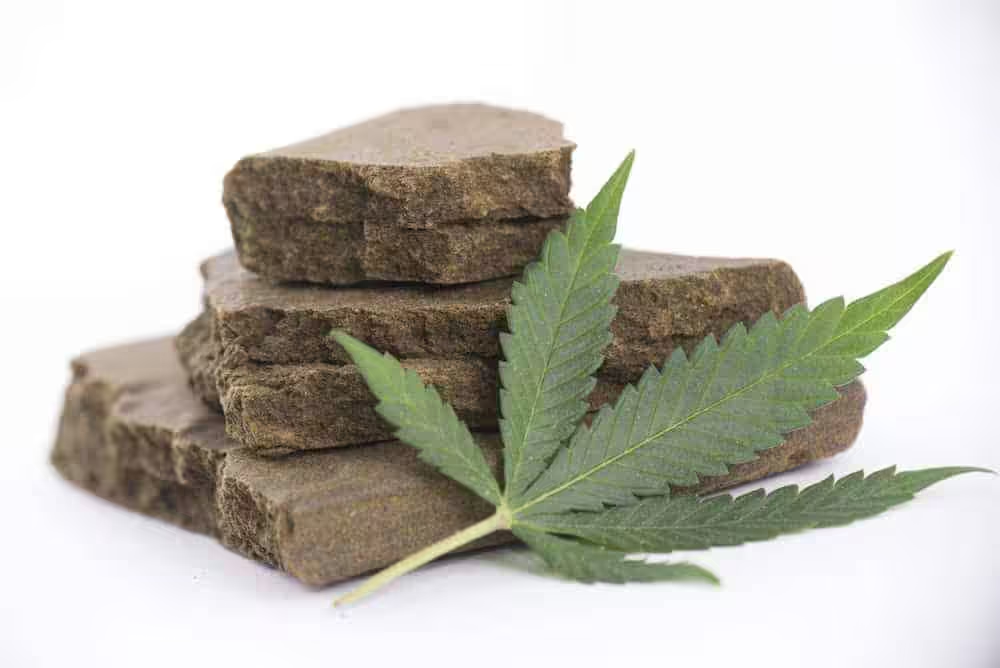
Hash, also known as hashish, has a long history in global cannabis culture, and it continues to be popular in Canada today. As cannabis legalization has increased public awareness, many Canadians are curious about how hash is made from cannabis and how it differs from other cannabis products available in the market.
This article explains how hash is made from cannabis at an educational level, with a focus on Canadian context, legality, and cultural understanding rather than instructions.
What Is Hash and Why Is It Popular in Canada?
Hash is a cannabis concentrate made from the resin glands, or trichomes, of the cannabis plant. These trichomes contain most of the plant’s cannabinoids and terpenes, which contribute to potency and aroma.
In Canada, hash is appreciated for its traditional roots and solventless nature. Compared to modern extracts, hash is often viewed as a more classic form of cannabis that reflects how the plant has been used for generations.
The Basic Concept of Making Hash From Cannabis
When people ask how to make hash from cannabis, they are usually referring to the idea of separating resin from plant material. Trichomes naturally detach from the cannabis plant under certain physical conditions. Once separated, this resin can be collected and compressed into hash.
While different cultures have developed different approaches, the core concept remains the same. The goal is to concentrate cannabis resin while minimizing excess plant matter, resulting in a product that is stronger than dried flower.
Traditional Hash-Making Methods Explained Simply
Historically, hash has been made using methods that rely on physical movement, temperature, or natural resin properties. In dry climates, dried cannabis was gently agitated so trichomes could fall away. In colder environments, temperature played a role in making resin easier to separate.
These traditional methods influenced the types of hash that are still discussed and sold in legal markets today, including soft, pliable hash and more firm, pressed styles.
How Hash Fits Into Canada’s Legal Cannabis Market
In Canada, cannabis is legal under the Cannabis Act, but production rules are strictly regulated. Licensed producers are the only entities legally allowed to manufacture and sell hash for commercial purposes. While consumers can legally purchase hash from licensed retailers, making hash from cannabis at home may still be subject to legal limitations depending on provincial regulations.
For Canadians, it’s important to understand local laws before engaging with cannabis in any form, including concentrates like hash.
Hash vs Other Cannabis Concentrates in Canada
Hash is often described as a solventless cannabis concentrate, which sets it apart from many modern extracts available in Canada. Many consumers prefer hash because it feels closer to the original cannabis plant and offers a more balanced experience.
Hash is also known for its rich aroma, traditional texture, and slower introduction of cannabinoids compared to highly refined concentrates.
Final Thoughts on Hash and Cannabis Education in Canada
Understanding how hash is made from cannabis helps Canadians appreciate the cultural and historical significance of this classic concentrate. Hash remains an important part of cannabis culture, offering a connection between traditional practices and today’s regulated market.